
Coating conversations default to paint, because paint is what the marketing photos show. But paint is the surface you were already protecting with something. The surfaces that have never had any protection at all are where a coating changes your week more noticeably.
Each of these is a different product formulated for a different substrate. Paint coating on glass is a mistake, and glass coating on wheels is a waste. Here is what each one actually does.
Wheels: the highest-value coating on the car
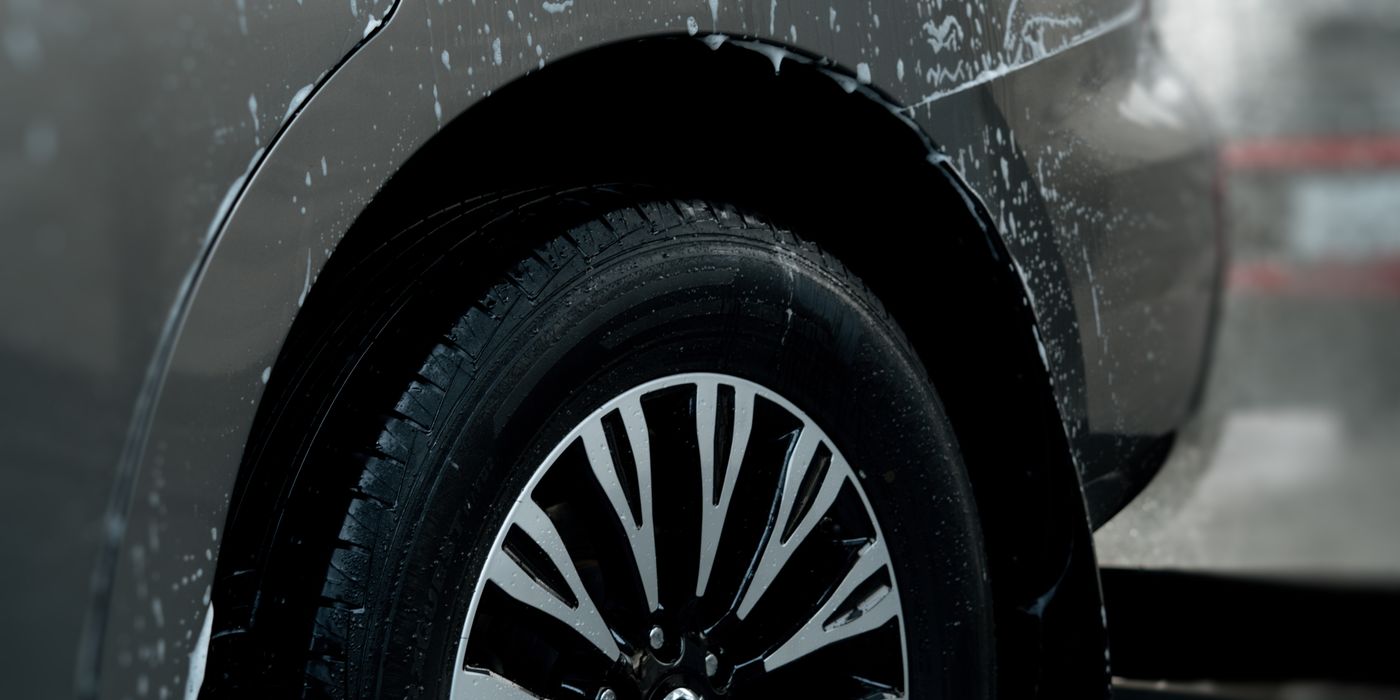
Wheel coatings are formulated for heat, because the surface behind a brake rotor cycles through temperatures that would break down a paint coating. They go on the face, and on a proper install, on the barrel too, which requires the wheels off the car.
The benefit is immediate and physical. Brake dust is largely iron particles thrown off hot and pressed into the finish, where they embed and start corroding. On a coated wheel, that material has nothing to bond to and comes off with a rinse and a soft brush. On a bare wheel it needs an iron remover and dwell time, every time.
Do it when the wheels are new or freshly decontaminated. Coating over embedded iron seals the corrosion in, which is the same mistake as coating over swirls.
Glass: worth it on the windshield alone
Glass coatings bond to the silica in the glass and produce genuine hydrophobic behavior. At freeway speed, rain sheets off a coated windshield to the point where wipers become optional above roughly 40 miles an hour. On a wet drive down the causeway that is a visibility improvement, not a novelty.
The second benefit matters more in Sacramento: hard water spots and sprinkler mineral deposits release from a coated windshield instead of etching into it. Mineral etching in glass is one of the few problems that is harder to fix than the equivalent on paint, because glass cannot be polished as forgivingly.
The honest caveat is durability. Glass coatings on a windshield take constant wiper abrasion and typically last months rather than years, far shorter than a paint coating. Side and rear glass lasts much longer. Some people find the reapplication annoying, and it is fair to know that going in.
Trim: fixing the problem before it starts
Unpainted black plastic trim fades to grey and then to chalk under UV, and it is one of the fastest ways a car starts looking old. Once it is fully oxidized, the choices are a dressing you reapply forever or a permanent restorer.
A trim coating on healthy black plastic prevents that from happening at all, and it holds for a year or more instead of washing away in a month. On any car parked outdoors in the Valley, this is a cheap add-on with a visible payoff two summers later.
The same coatings work on exterior rubber and on plastic headlight lenses, where they are worth pairing with a restoration if the lenses have already hazed.
Upholstery and leather: the one people are most skeptical about
Fabric coatings create a surface the liquid cannot soak into, so a spill beads on top long enough to be blotted rather than absorbed into the foam. On cloth seats and floor carpet, that is genuinely useful, and it matters most in vehicles with kids, dogs, or a coffee habit.
Leather is more nuanced. Most modern automotive leather is already finished with a polyurethane topcoat, which is doing most of the protective work. A coating over that adds abrasion resistance and helps against dye transfer from denim, which is the number one complaint on light-colored interiors. It is a real benefit, and it is smaller than the fabric one.
The paint coating makes your car easier to wash. The wheel coating is the one you notice every single week.
Where we would not bother
- Chrome and polished metal trim on a car that lives in a garage. It is nice, and it is well down the list.
- The engine bay, unless it is a show car. It looks great in photos and it does very little for you.
- Coating anything that needs correction first. That applies universally: wheels with embedded iron, hazed lenses, oxidized trim, and stained fabric all need addressing before a coating goes on, or the coating locks the problem in.
- Windshield coating on a car that lives outside under a tree and rarely sees rain. The wiper abrasion is constant and the payoff is seasonal.
How to prioritize if you are adding one at a time
Wheels first, every time, because the weekly time saving is the largest and the corrosion prevention is real. Then trim, because it is inexpensive and it prevents a problem rather than fixing one. Then glass if you drive in the rain and deal with sprinklers. Then interior, weighted by whether you have kids or dogs.
Most of these are far cheaper as an add-on to a paint coating appointment than as a separate visit, because the decontamination and prep are already happening. If you are booking a coating, ask about the rest of the list then rather than a year later.

The Nor-Cal Crew
Mobile detailing, ceramic coating & paint correction · Sacramento, California