
You call three places about a 34-foot Class A and get three numbers that aren't in the same neighborhood. It's tempting to assume two of them are trying it on. Usually none of them are. The phrase “detail my RV” describes about six different jobs, and each shop answered a different one.
Here's what the price is actually made of, so you can work out which job each quote is for.
Per-foot pricing is a starting point, not a price
Most shops quote RVs by the foot, because length is the one number everybody can agree on before seeing the rig. It's a fair proxy for wash labor. It's a poor proxy for everything else, because two 34-foot coaches can genuinely be a one-day job and a four-day job depending on what's happened to the sidewalls.
So a per-foot number tells you what a shop charges to move a wash mitt over a given amount of surface. It tells you almost nothing about restoration work, and restoration work is where the money is.
The four things that actually move the number
- Oxidation level. This is the biggest swing by a wide margin. Washing and sealing healthy gelcoat and multi-stage compounding a chalked sidewall are not variations of one job — they're different trades with different tools and a tenfold difference in hours.
- Height and access. Everything above the beltline is ladder or lift work, and it's slow. A tall Class A costs more per foot than a low travel trailer of identical length, which is exactly the sort of thing per-foot pricing hides.
- The roof. Usually quoted separately, and it genuinely should be.
- Surface mix. One rig can combine gelcoat sidewalls, a painted front cap, aluminum, vinyl decals, awning fabric, a membrane roof, and sealant beads. Each wants different chemistry and a different tool, and every switch is setup time.
Why the roof is priced on its own
The roof is where both the labor and the liability live. It starts with knowing whether the roof is even walkable and where the structural members are. The cleaning process is deliberately non-abrasive, which means it's slow. And the inspection matters more than the cleaning does.
A roof pass that finds a sealant bead beginning to fail is worth more than the entire rest of the detail combined, because water intrusion and the delamination that follows is the failure mode that ends RVs. If a quote quietly folds in “roof,” ask what that word covers. A rinse from a ladder and a genuine cleaning-and-inspection are different products at very different prices.
The roof is the cheapest part of an RV to maintain and by far the most expensive part to ignore.
The tiers, in plain terms
- Wash — soap, wheels, glass, dry. Upkeep between real work. Fast, and it does nothing whatsoever for oxidation.
- Wash and seal — the above plus a wax or sealant. The right answer for a rig that's still glossy and that you'd like to keep that way.
- Single-stage correction — one combined cutting and polishing pass. Handles light to moderate oxidation and brings back real gloss. This is the most common “restore my RV” job.
- Multi-stage correction — compound, refine, then protect. For sidewalls that are properly chalked. Measured in days, not hours.
- Correction plus a ceramic coating — the version that changes your maintenance interval for years rather than months.
- Interior — priced separately, and on a coach with residential flooring, upholstery, and cabinetry it can rival the exterior.
Worth being blunt about one thing: on a heavily oxidized 38-footer, the material cost is a rounding error. You are buying skilled hours, and there is no version of that job that is quick.
What's usually not included
Ask about each of these before booking. Not because anyone's hiding them, but because assuming they're in the number is how a quote and an invoice end up disagreeing.
- Roof cleaning and sealant inspection.
- Awning fabric — a separate cleaning process, and aged fabric can be cleaned right through to failure by someone treating it like a sidewall.
- Decal replacement. Graphics that have cracked, lifted, or chalked cannot be polished back to life. They're a replacement item and a different trade, and an aggressive compound run across them is how good decals become replacement decals.
- Undercarriage, engine bay, and generator compartment.
- Anything structural. Detailing does not fix a soft spot, a delaminated panel, or a water stain coming from inside the wall.
- The interior, unless it's written down.
The two photos that make a quote real
We ask for the same two every time, and any detailer who intends to honor their number will ask for something similar.
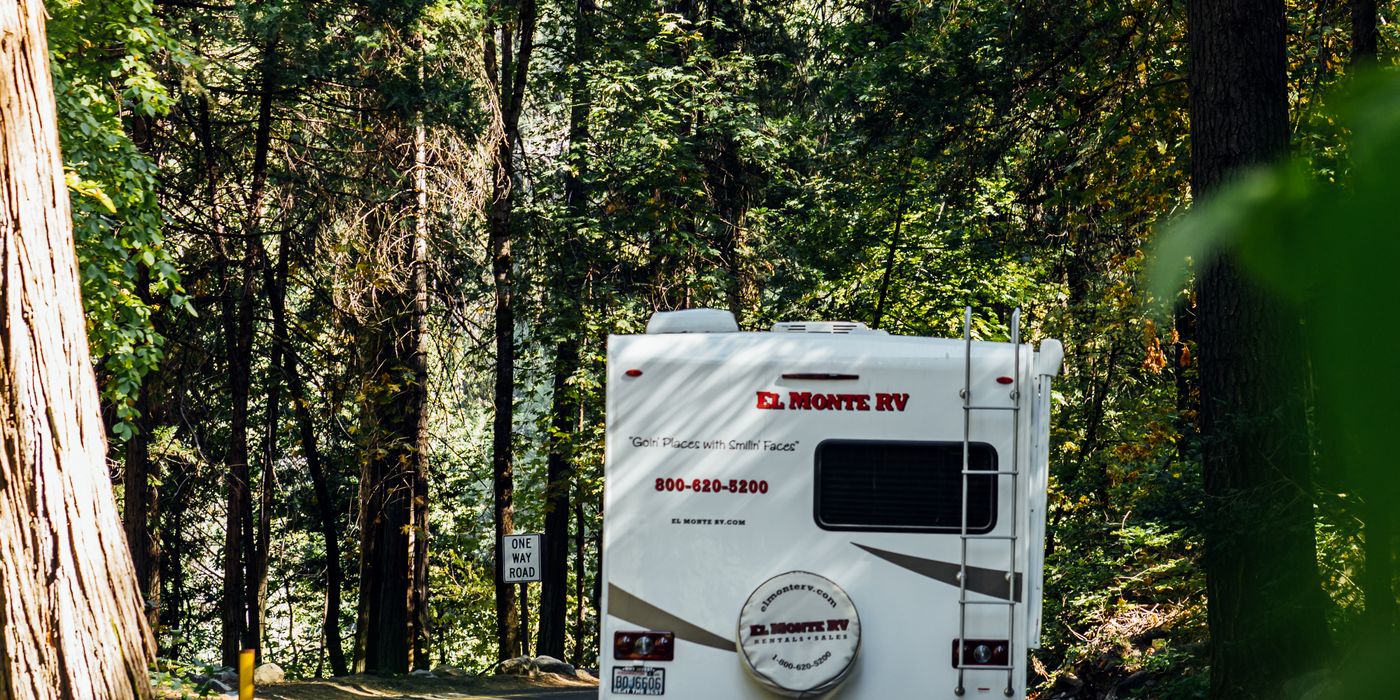
- A full-side shot in daylight. That gives us length, height, how much of the side is decal, and where the paint-to-gelcoat transition falls.
- A close, in-focus shot of a sun-facing sidewall panel — plus what happens when you wipe that panel with a dark cloth. If the cloth comes away white, that's chalk, and it moves you out of wash-and-seal and into correction. That one sentence changes the quote more than the length does.
Tell us where it's stored, too, and whether there's room to work around it. A rig in an open driveway and the same rig wedged in a tight storage row are different jobs, and it's better for everyone if that's priced honestly up front rather than discovered on the morning.
The maintenance math
The reason we push the protection step isn't margin, it's interval. Corrected and coated gelcoat gets washed a few times a season and holds its finish. Corrected bare gelcoat starts oxidizing again immediately — the UV stabilizers built into gelcoat deplete, and unlike automotive paint there's no clear layer above the pigment to be sacrificed.
Skipping protection means paying for correction again in a year or two, and correction spends material that doesn't come back. That's the actual argument, and it's the same reason we'll happily tell someone their rig only needs a wash and a seal this year.
Send the two photos, the length, and where it's parked. We'll come back with a number and — more usefully — with which tier we honestly think you're in.

The Nor-Cal Crew
Mobile detailing, ceramic coating & paint correction · Sacramento, California