
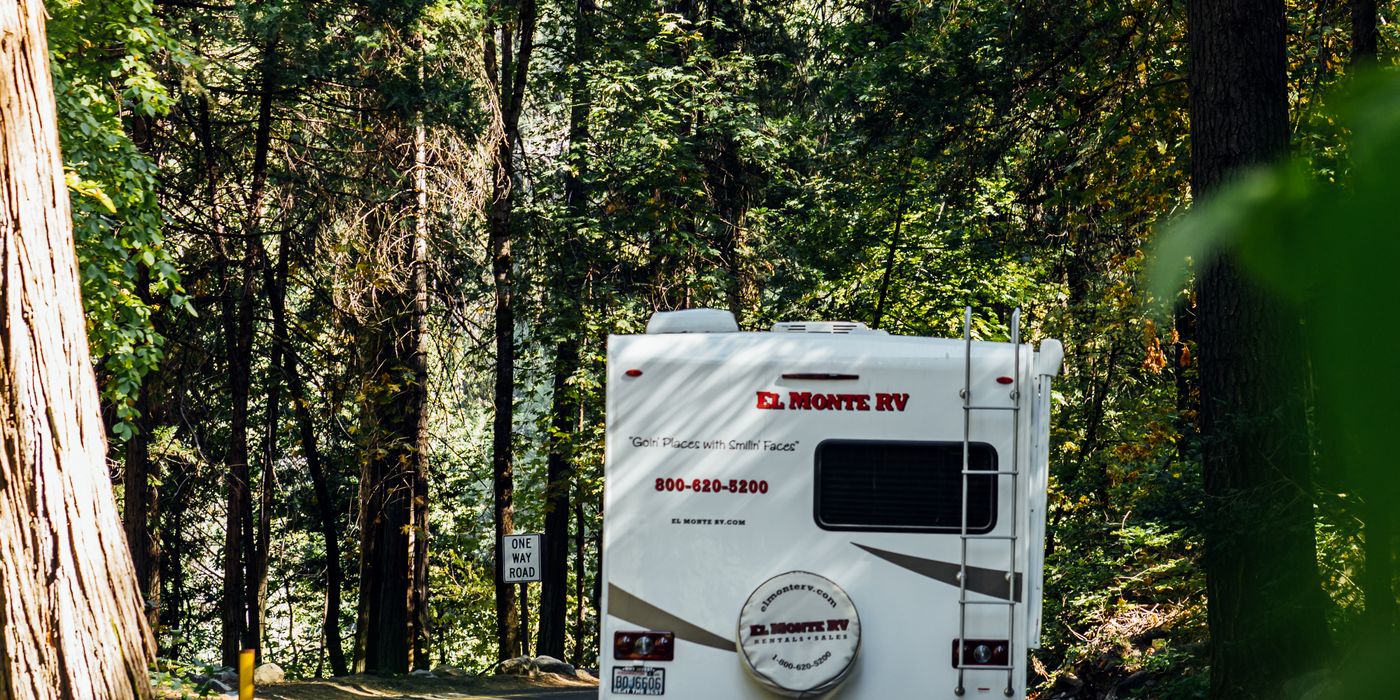
There is a specific conversation we have on RV jobs more than any other. The owner wants the whole rig brought back, we walk the sidewall together, and we have to say that the swoosh running the length of it is not coming back, at any price, from anything we do.
It lands badly because everything else on the coach is correctable. Chalked gelcoat comes back. Oxidized paint comes back. Graphics do not, and knowing why changes what you do about them while they are still healthy.
What RV graphics actually are
They are printed vinyl film, applied over the gelcoat or paint, usually with a clear laminate over the print to protect the ink. The colors and gloss you see live in a layer measured in fractions of a millimeter.
That is the whole problem. On gelcoat, oxidation is a degraded surface layer with sound material beneath it, so removing the dead layer reveals good material. On a decal, there is no reserve underneath. Once the laminate has gone or the ink has faded, removing anything just removes what is left.
The failure stages, in order
- Dulling. The laminate loses gloss and the graphic looks flat next to the gelcoat around it. This stage is still recoverable, and it is the point at which protection is worth applying.
- Fading. UV has broken down the pigments in the print. Reds and yellows go first. Nothing brings the color back.
- Chalking. The surface has degraded to a powder that comes off on a cloth. You are wiping away the graphic itself.
- Cracking and crazing. Fine cracks appear across the vinyl, usually first on the sun-facing side and on any curved surface where the film was stretched during installation.
- Lifting and peeling. Edges release, water gets underneath, and the graphic starts coming off in sections. At this point removal and replacement is the only path.
Rigs stored uncovered in Sacramento summers run through those stages faster than the film's rated life suggests. It is common to see a coach with sound gelcoat and thoroughly dead graphics, because the film gave out years before the surface it was stuck to.
Why an aggressive compound is the fastest way to lose them
Compounding is controlled material removal. That is the entire mechanism, and it is exactly right on oxidized gelcoat. Run the same pad and the same compound across a decal and you are removing the laminate, then the ink.
The results are ugly and immediate: a dulled patch in the middle of a graphic, color pulled off onto the pad, or a stripe of missing ink where the machine spent an extra second. There is no correcting it afterward. It is a graphic replacement.
Edges are the other trap. A pad running across the boundary between gelcoat and vinyl catches the decal's edge and lifts it, and a lifted edge is where water gets in. This is why proper RV correction involves masking, hand work at every transition, and slower going than the same surface area on a plain white sidewall.
Compound is material removal. On gelcoat that reveals good surface underneath. On a decal there is nothing underneath, and that is the difference between correcting a rig and damaging one.
What genuinely helps while the graphics are alive
- Wash them, gently and often. Dirt and road film hold heat and moisture against the surface, and a clean graphic ages slower than a dirty one. Use pH-neutral soap and a soft mitt, never a stiff brush on a decal.
- Protect them. A sealant or a ceramic coating goes over vinyl graphics perfectly well, and UV is what kills them, so a UV-resistant layer over the top directly addresses the failure mode. This is the highest-value thing on the list.
- Keep petroleum solvents and aggressive cleaners off them. Strong chemistry attacks the laminate and can soften the adhesive at the edges.
- Get the roof clean. Black streak run-off from the roof lands on the graphics and sits there, and streak remover used repeatedly on decals is its own slow damage.
- Store covered, or at least park with a different side facing the sun when the rig sits for months.
When they are already gone
There are three realistic options once graphics have cracked or faded past use, and it is worth pricing all three before choosing.
Full removal and replacement is the closest to original. It is a wrap shop's job, and it involves heat, patience, and removing the adhesive residue, which is often the slowest part. Older graphics that have gone brittle come off in flakes rather than strips, which is why the labor estimate can surprise people.
Removal and a full paint job is the option some owners choose on a coach they intend to keep for a long time. It costs more, and it eliminates the recurring problem entirely.
Removal with the gelcoat corrected and coated, leaving the rig plain, is the underrated third option. Old graphics leave a ghost where the covered gelcoat aged differently from the exposed gelcoat around it, so this involves correcting the whole sidewall to even it out. Done properly, a plain white coach with corrected, coated gelcoat looks deliberate and modern, and it never has this problem again.
We handle the correction and protection side of all three, and we work alongside wrap shops for the replacement. If your graphics are still healthy, the useful step is protecting them now. Send a close photo of the worst section in daylight and we will tell you honestly which stage you are at.

The Nor-Cal Crew
Mobile detailing, ceramic coating & paint correction · Sacramento, California