
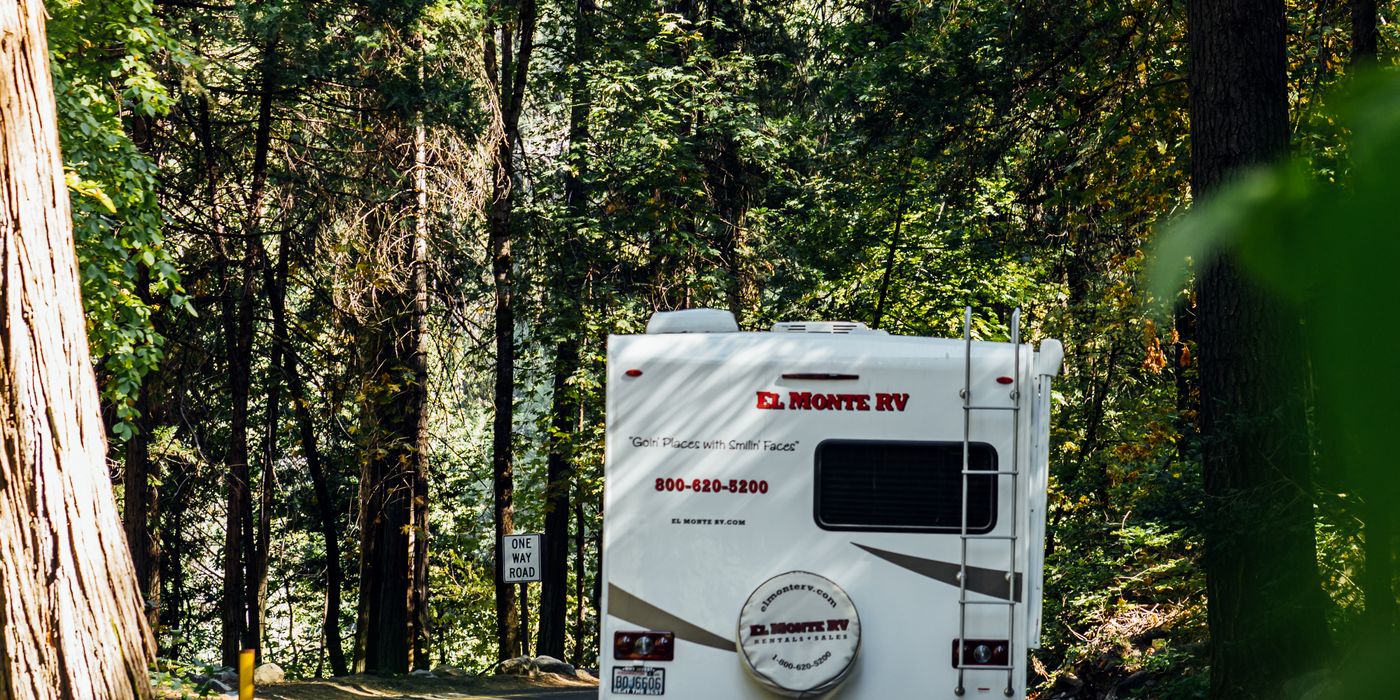
The Northern California RV season winds down through the fall, and the last trip usually ends the same way: back it into the side yard or the storage lot, plug in the battery tender, and deal with it in the spring.
The problem is that everything on the rig when it parks has months to work on it, undisturbed, through a season of cold nights, damp mornings, and whatever the wind brings. Most of the spring surprises we get called about were created in October.
Wash it, and wash it properly
Bug residue is acidic and it etches. Tree sap hardens and bonds. Bird droppings are the most aggressive of the three and can etch through a season. Road film holds moisture against the surface. All of it stays exactly where it is for six months if you park a dirty rig.
Wash top down, including the roof, and decontaminate the lower sides where road film accumulates. This is also the wash where you find things: a cracked vent lid, a lifted decal edge, a sealant bead that has pulled away. Finding those now beats finding them in April after they have had a winter.
Protect the gelcoat before it sits, not after
This is the step that gets deferred to spring and it is exactly backwards. The six months the rig sits are six months of UV exposure on the sun-facing side, and gelcoat oxidizes while parked just as it does while traveling. A sealant or a coating applied now works through the entire storage period. Applied in April, it protects nothing that already happened.
If the rig is already chalky, storage is the ideal time for a correction. There is no trip schedule to work around, no rush, and the coach comes out of storage finished rather than losing the first good weekend of the season to a multi-day job.
The roof, one more time
Clean it and inspect every sealant bead before it sits. Winter is when Northern California actually gets its rain, which means storage season is the period when a marginal sealant bead does the most damage. A crack that would let in a cupful during a summer trip lets in months of accumulated water while nobody is looking.
If a bead is questionable, reseal it now. This is the single highest-value item on the list.
Inside: dry, empty, and ventilated
- Remove all food, including anything sealed. Rodents are the leading interior problem in stored rigs and food is the reason they come looking.
- Empty and clean the refrigerator, then prop the doors open. A sealed fridge grows mold every time.
- Clean the interior properly, particularly upholstery and carpet. Organic material left in a sealed coach for six months is where the spring musty smell comes from.
- Lift the mattress or stand it on edge so air can reach underneath. Condensation under a mattress on a solid platform is the most common source of interior mildew.
- Leave cabinet and wardrobe doors open for airflow.
- Put moisture absorbers through the coach and use a dehumidifier if the rig is stored somewhere with power.
- Close the roof vents unless you have vent covers. Covers let you leave the vents cracked, which keeps air moving through the coach all winter.
Tires, seals, and the parts made of rubber
RV tires age out rather than wear out, and sitting is what ages them. Inflate to the correct pressure before it parks, because an underinflated tire sitting for months develops sidewall damage. Cover the tires: UV is the primary cause of sidewall cracking and covers are inexpensive.
Clean and condition the slide seals and the door seals so they do not dry out and take a set. A seal that has been compressed and dry for six months is a seal that leaks on the first trip out.
The cover question
Covered storage under a roof is the best option available and it is worth what it costs if you can get it. Between an RV cover and nothing, a proper cover is better, but the product matters.
- Use a breathable RV cover made for the purpose. A poly tarp is the wrong answer: it traps moisture against the surface, and a tarp flapping in the wind abrades gelcoat and graphics in a way that is genuinely difficult to correct.
- Wash and dry the rig before covering it. Grit trapped under a cover moves with every gust and sands the surface.
- Make sure the cover fits and is secured. A loose cover is a tarp with better marketing.
- Pad sharp corners, ladder rungs, and any protrusion that will wear through the cover from the inside.
A cover that traps moisture and moves in the wind does more damage over a winter than leaving the rig uncovered would have.
The rest of the list
Winterize the water system before the first freeze, which in the Valley can come earlier than people plan for, and much earlier if the rig is stored at elevation. Drain the tanks, flush the black tank thoroughly, and leave valves as your manual specifies. Fuel stabilizer if the rig is sitting for months. Battery disconnect or a maintainer. All of this is mechanical rather than cosmetic, and none of it is optional.
September and October are the right window for the detailing side of this, and it is our busiest stretch for RV work for exactly that reason. We come to the storage lot, the side yard, or wherever the rig is parked. Tell us the length, where it sits, and how the sun hits it, and we will tell you what it needs before winter.

The Nor-Cal Crew
Mobile detailing, ceramic coating & paint correction · Sacramento, California