
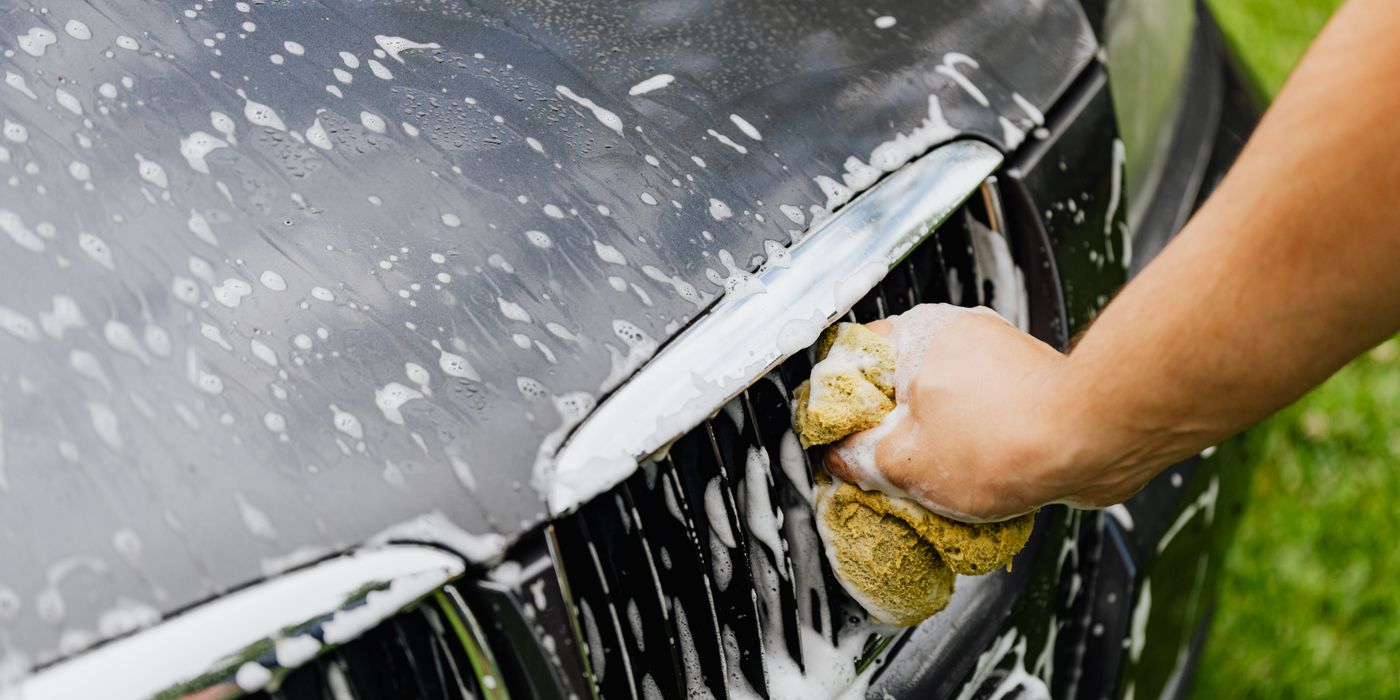
A side-by-side comes back from a weekend in the Sierra foothills carrying twenty pounds of clay, and the standard response is a pressure washer and forty-five minutes. That approach gets the machine clean and slowly destroys it, and the damage does not show up until something expensive stops working.
These machines are built tough in the places that take impact and are surprisingly vulnerable in the places that take water.
Where a pressure washer causes real damage
- Wheel bearings, and on a UTV all four of them plus the prop shaft. Seals keep grease in and are not rated for a pressurized jet held close. Water in a bearing means a failure a few hundred miles later that nobody connects to the wash.
- The CVT belt housing. Water that gets in does not get out easily, and a wet belt slips, glazes, and eventually fails. On most machines the housing has a drain plug and an intake duct, and both are worth knowing the location of.
- The radiator. This is the big one, and it goes the other way: high pressure aimed at a radiator core folds the fins over. Bent fins mean reduced airflow, which means the overheating that shows up on the next long climb. Always work a radiator from the engine side outward, at low pressure, and straighten what you can.
- Electrical connectors, the ECU, the dash display, and the winch solenoid. Off-road machines have a lot of exposed connectors and they are sealed against splash, not against a jet.
- Air intake and airbox. On many UTVs the intake sits high for a reason. Do not spray water into it.
- Suspension pivots, shock shafts, and every grease fitting. Water displaces grease, and the machine needs regreasing after a serious wash regardless.
Clay does not rinse off, it has to be softened
Foothill and Sierra clay dries to something close to a ceramic. Hitting it with high pressure removes some of it and drives the rest into gaps, and the abrasive fraction gets dragged across plastics on the way. That is why a heavily used UTV develops a hazy, scratched look on every body panel.
The correct sequence is boring and it works. Soak the machine thoroughly with a low-pressure rinse and let the mud rehydrate for ten or fifteen minutes. Apply a foam or a dedicated off-road cleaner and give it more dwell time. Then rinse at low pressure and agitate with brushes rather than pressure. Anything still stuck gets another soak, not more pressure.
Mud comes off with time and chemistry. Every minute you save with a pressure washer, you pay for in scratched plastics and folded radiator fins.
The plastics are the finish, and they are unpainted
Most UTV and dirt bike bodywork is molded, pigmented plastic. There is no clear coat and no paint film. The color goes all the way through, which is durable in that scratches do not expose a different color, and fragile in that UV degrades the surface itself.
Faded, chalky plastics can be restored, and it is worth being clear about the two approaches. A dressing puts oils and UV protectants onto the surface, looks excellent immediately, and needs reapplying every few washes. A permanent trim restorer chemically bonds to the plastic, lasts a year or more, and costs more. On a machine that gets washed constantly, the second one is the better value.
Scratches in plastic can be improved with careful work but not erased, because there is no clear layer with material to spare. Deep gouges from rocks are permanent, which most owners accept as part of the machine's character.
Dirt bikes have their own list
- Plug the exhaust before washing. An open pipe on a four-stroke is a direct path to the cylinder, and water in there while it sits is a genuine engine problem.
- Cover the air intake. Leaving it open is the fastest way to hydrolock an engine, and it happens to somebody every season.
- Keep pressure off the fork seals, the shock shaft, the linkage bearings, and the chain. Fork seals are cheap and the labor to replace them is not.
- Degrease and relubricate the chain as part of every wash. Cleaning it and leaving it dry is worse than not cleaning it.
- Radiators on a dirt bike are exposed and thin. Straighten fins by hand and never point pressure at them.
- Dry the machine and then run it briefly to displace water from where it collects.
What a proper post-season service covers
End of the trail season in Northern California is when the machine sits for months, and it is the right time to do the version of this that goes beyond a wash.
- A full low-pressure decontamination wash with real dwell time, including the undercarriage, the skid plates, the A-arms, and the frame where mud packs in and holds moisture against metal.
- Radiator cleaning and fin straightening, plus clearing anything packed into the front grille area.
- Regreasing every fitting, because the wash displaced what was there.
- Cleaning and inspecting the CVT housing and belt on machines that have one.
- Plastics restoration with a durable product rather than a dressing.
- Seat and upholstery cleaning, and treating vinyl so it does not dry and crack over the winter.
- A protective coating on the plastics, painted surfaces, and cage. On an off-road machine this is not about gloss, it is about mud releasing next season instead of bonding.
- Corrosion inhibitor on exposed hardware and the frame, which matters more than people think on a machine washed frequently and stored damp.
Coating a UTV sounds absurd until you have washed one after a coated season. Mud that used to require a soak and a brush rinses off. That is not a cosmetic benefit, it is a reduction in the number of times a brush gets dragged across the machine, and that is what keeps the plastics looking new.
We work at your place, your shop, or wherever the trailer is parked. Tell us what you ride, where it has been, and how it is stored. That is enough to scope what it needs before winter.

The Nor-Cal Crew
Mobile detailing, ceramic coating & paint correction · Sacramento, California